
How to Choose Energy Storage: How Many kWh Do You Need?
The difference between kW and kWh, a simple way to calculate capacity, and home batteries compared with industrial BESS: a practical guide to choosing energy storage.
5 November 2026, 09:00
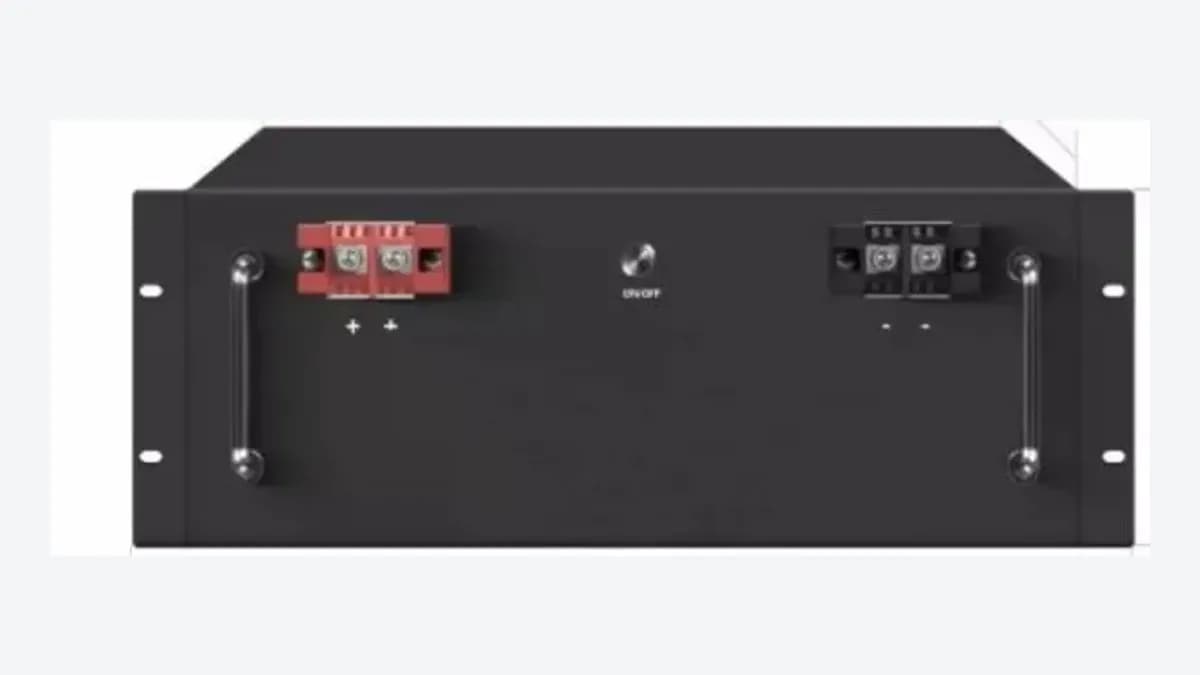
Two figures matter when choosing a battery, and they are often confused. The right choice starts with understanding the difference.
kW and kWh
- kW (power) shows how much load it can supply at one time.
- kWh (capacity) shows how long it can run that load.
You need both. With large capacity and low power, the system runs for a long time but cannot start a powerful device.
How many kWh do you need?
A simple calculation: load (kW) × time (hours) ÷ 0.9. Here 0.9 is the 90% depth of discharge recommended for LiFePO4 batteries, meaning not all of the capacity is counted.
Example: you want to run a 1.5 kW load for 6 hours during a power cut. 1.5 × 6 = 9 kWh, and 9 ÷ 0.9 = 10 kWh. Two 5.2 kWh modules (10.4 kWh) meet this need.
You can see an estimated capacity for your monthly use in the solar system calculator.
Which solution suits which site
| Solution | Key figures | Where it is used |
| Xupernova 51.2V 102Ah module | 5.2 kWh, LiFePO4, up to 16 in parallel (83.2 kWh) | Homes and small sites |
| Xupernova outdoor cabinet | 50 kW / 100 kWh, hybrid inverter and EMS included, expands up to 10 cabinets | Business and industry |
| Wolun ECO-E10FT1044LP-2 | 500 kW / 1044 kWh, liquid cooling, microgrid mode | Large industry and microgrids |
| Xupernova mobile station | 500 kW / 1032 kWh, 20 ft container | Emergency power, mining |
You can see all products in the energy storage section.
What to check before buying
- Inverter compatibility: the battery voltage must suit the inverter. 51.2 V modules work with a 48 V inverter.
- Installation location: the battery should be kept in a place and temperature that meet the manufacturer's requirements.
- Expansion: if demand may grow, check whether modules can be added later.
- Safety: connection work should be done by a qualified specialist.
Conclusion
First decide which load must run and for how many hours; the capacity follows from that. Send us your list of loads and the backup time you need, and we will calculate a suitable system together.