
Live Insulation Cleaning: What It Is and How to Choose the Equipment
Why dirty insulation is a risk, when live cleaning is worth considering, and how to choose the tool and fluid: a guide for facility and technical managers.
6 November 2026, 08:51
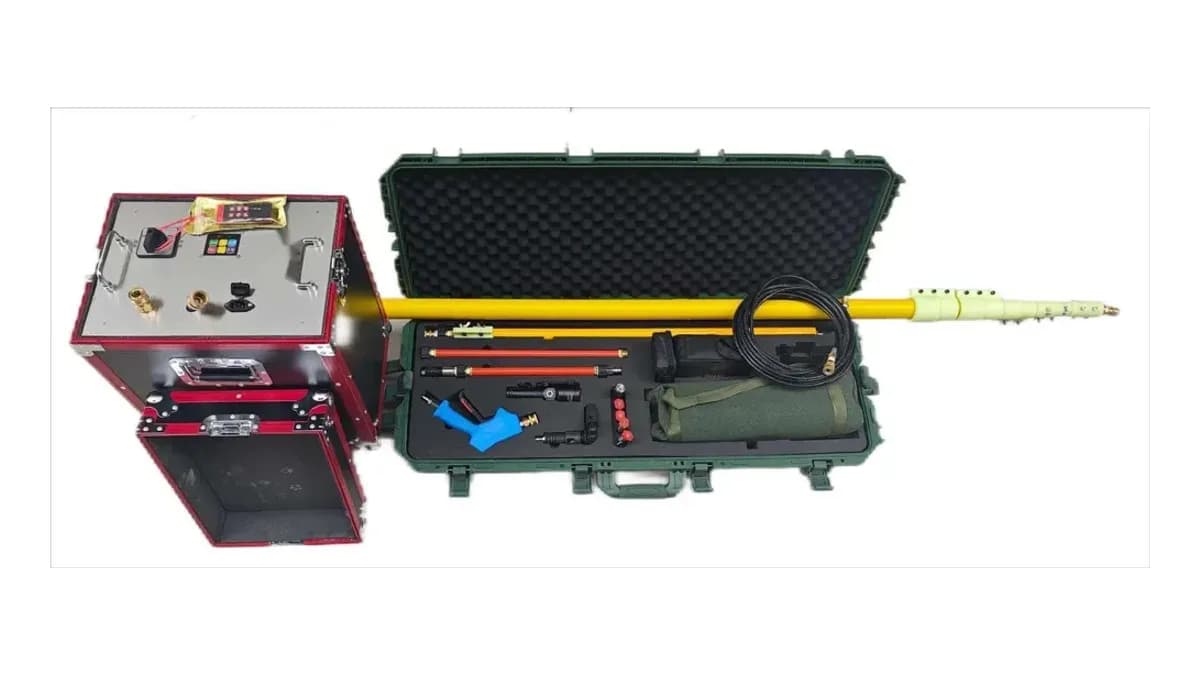
In switchgear, transformers and substation equipment, insulation surfaces gradually collect dust, moisture and oil. This contamination can lead to leakage current and discharges. Conventional cleaning requires taking the equipment out of service, which is not easy at every site.
Live cleaning is intended for this situation. This article explains what it is and which questions to answer when choosing the equipment. It is not a work instruction: the work itself must be carried out only by authorised, trained personnel.
What is live insulation cleaning?
The method is based on a special cleaning fluid with insulating properties. The fluid is delivered under pressure through insulated hoses and rods, lifts the dirt and then evaporates. Equipment differs in power supply, pressure and reach.
The method is not automatically suitable for every installation. Whether to use it depends on the type and condition of the installation, the rules in force and the decision of the site's technical management.
How to choose the tool
The first two questions are the voltage class of the installation and the working height. The figures below come from the manufacturer's catalogue:
| Model, power | Fluid flow | Voltage | Height |
| CT-clean600 600 W | 1–5 l/min | up to 35 kV | up to 3 m |
| CT-clean900 900 W | 1–7 l/min | on request | up to 10 m |
| CT-clean1500 1500 W | 2–8 l/min | up to 330 kV | up to 13 m |
Next, look at the power supply. CT-clean600 runs on an external 48 V battery. CT-clean900 and CT-clean1500 can run on a built-in battery, external 48 V or 220 V, which matters when there is no socket on site. CT-clean600 comes in a plastic case of about 10 kg and CT-clean1500 weighs about 38 kg, so consider transport as well.
How to choose the fluid
The main differences are evaporation time and application:
| DCT686 | DCT686-E | |
| Application | control cabinets, precision electronics, servers | switchgear, primary equipment, transformers |
| Evaporation | 0.5–1 hour | 8–16 hours |
| Flash point (open cup) | >90 °C | >120 °C |
| Cleaning efficiency | >95% | >90% |
| Container | 20 litres | 20 litres |
These fluids are combustible, so check the storage and transport requirements in advance.
What to ask before buying
- What is the voltage class of the installation and its highest working point?
- What type of contamination is it: dry dust, oil or damp deposits?
- Is a power supply available at the work location?
- Are the personnel who will do the work authorised and trained?
- Are certificates and test reports for the equipment, and a safety data sheet (MSDS) for the fluid, provided?
The last two questions matter most. This equipment is used on live installations, so check the documents and compliance with your internal rules before purchase.
You can see the models in the Insulation Cleaning Equipment section. To find the right model and price for your site, message us on WhatsApp from the product page.